

Explainer
What is facilities management?
A question we are asked more often than you would expect — usually by someone who has just been made responsible for it.
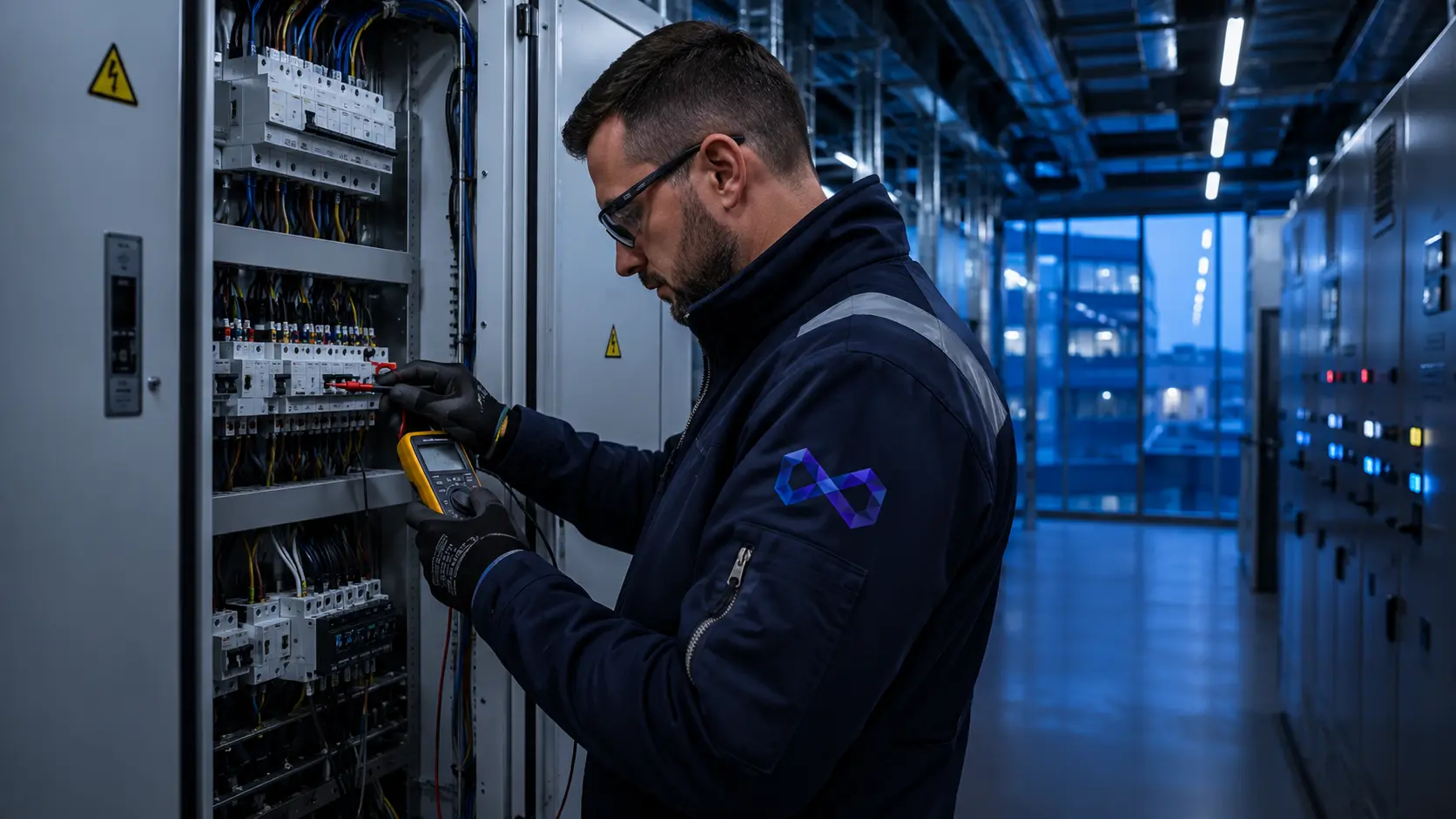
Facilities management is the work required to keep a building functioning, as distinct from the work the building exists to house. If an activity is not part of what your business actually does, but your business cannot operate without it, it almost certainly falls under facilities management.
The formal definition, and why it is worth reading twice
ISO 41011 defines facilities management as the "organizational function which integrates people, place and process within the built environment with the purpose of improving the quality of life of people and the productivity of the core business." That is a mouthful, but the important word is *integrates*. Facilities management is not a list of trades. It is the discipline of making a set of unrelated services behave as one, so that the building supports the work rather than interrupting it.
What a facilities manager actually does
Facilities managers arrive in the profession by an unusual variety of routes — engineering, property, operations, health and safety, sometimes catering — and their job titles vary as much as their backgrounds. What they share is responsibility for the systems that make a building work together, and for what is often an organisation's largest asset after its people.
- Occupancy and the human factors of how a space is used
- Operations and maintenance, planned and reactive
- Statutory compliance, and the evidence that proves it
- Risk management, from fire safety to business continuity
- Energy, sustainability and the cost of running the estate
- Procurement, contract management and supplier performance
- Projects, fit-outs and churn
- Budgeting, forecasting and the annual argument about capital
Hard services and soft services
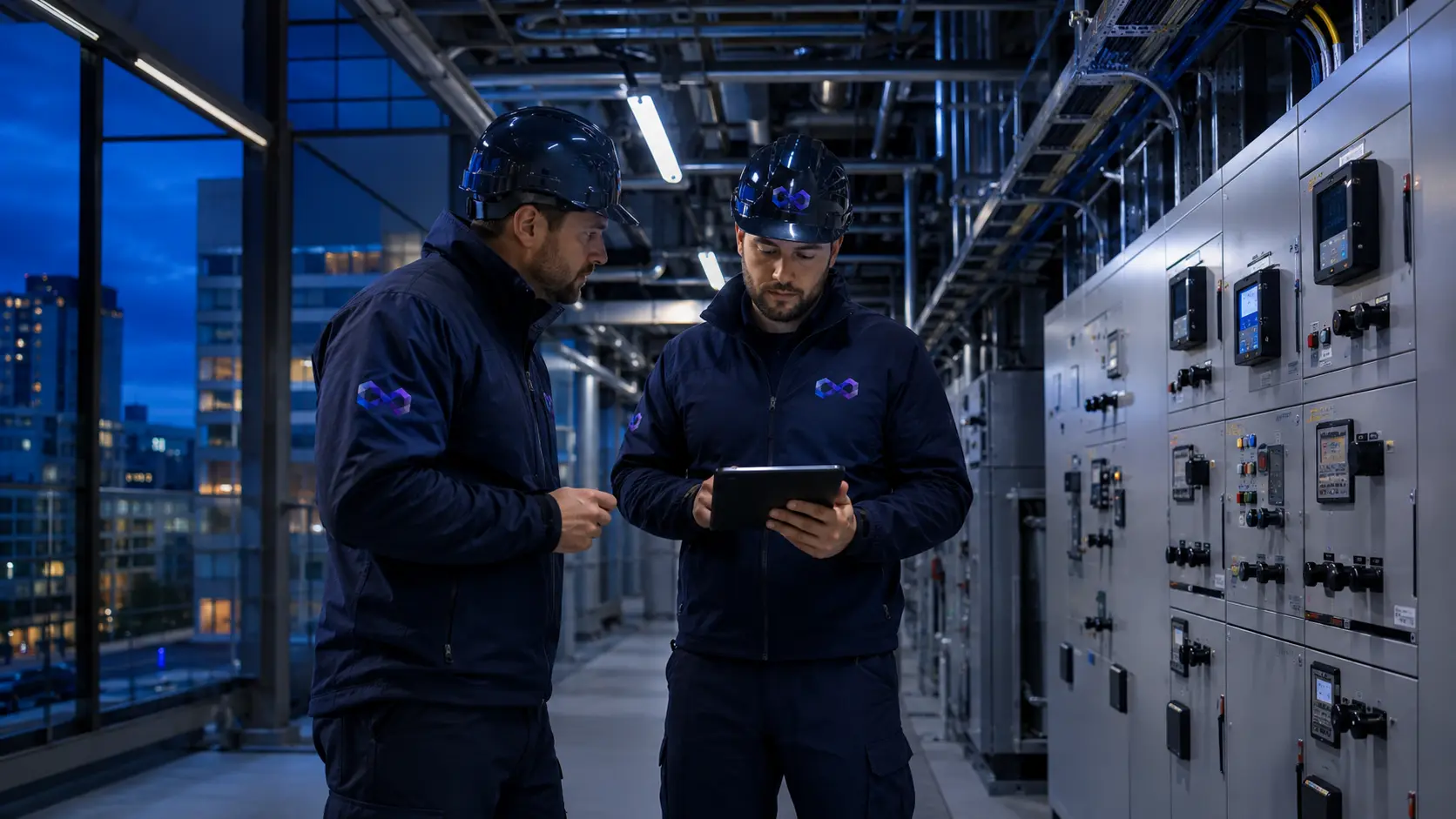
The services inside a facilities management contract are conventionally split in two. Hard services are the physical systems — mechanical and electrical, HVAC, plumbing and drainage, fire systems, building fabric, lifts. They are usually statutory, usually technical, and their failure tends to stop the building. Soft services are the services delivered to the people in it — cleaning, security, grounds, waste, front of house. They rarely close a building, but they are what occupants judge it by.
Where the definition stops being useful
The categories matter less than the interfaces between them. Most of the expensive failures in facilities management happen in the gap between two suppliers who each believed the other held the certificate: the fire alarm contractor who tests the panel but not the door releases, the cleaning contractor who reports a leak to nobody, the maintenance provider whose asset register does not include the plant the landlord installed. Integration is not a nice-to-have in the definition — it is the entire point of it.
Single service, bundled or total FM
Buyers usually meet three models. Single service means contracting each discipline separately and holding the coordination yourself. Bundled means grouping related services under fewer suppliers. Total facilities management places the whole scope with one provider. None is automatically correct: single service gives the most control and the most work, total FM the least work and the most dependence on getting the provider right. What matters is that the model is a deliberate choice rather than an accident of how contracts happened to be let.
Referenced in this article
More reading
Sectors
Facilities management across sectors: what changes, and what does not
Similarities, differences, and why the same scope of work needs a different plan in each.
Opinion
Why regular maintenance and inspection actually pays
Planned maintenance is the easiest line to cut and the most expensive one to have cut. Here is where the money actually goes.
Guide
Hard services in facilities management: a complete guide
The systems that keep a building standing, running and legal — and the obligations attached to each of them.